






Why choose stainless steel bolts? Industry experts share in-depth analysis of applications and processes
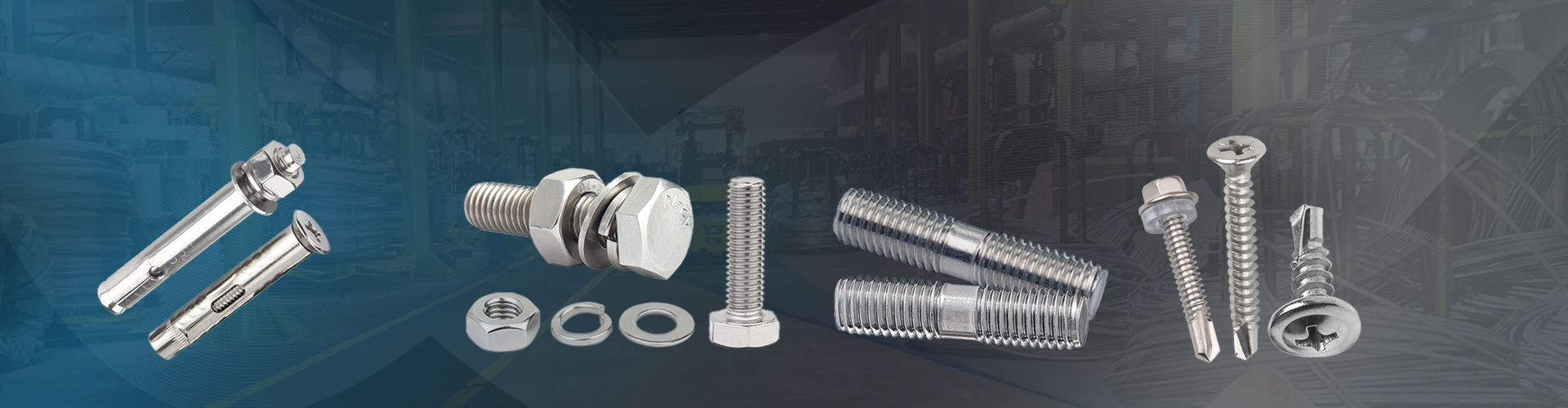
In modern industry and construction, stainless steel bolts are favored for their superior performance and wide application. This article will explore the advantages, application areas and manufacturing processes of stainless steel bolts in depth to help you understand why stainless steel bolts should be given priority among many choices.
Advantages of stainless steel bolts
- Corrosion resistance:The biggest feature of stainless steel bolts is excellent corrosion resistance, which can resist the erosion of humid and chemical environments, so they are widely used in marine and chemical industries.
- Strength and toughness: Stainless steel materials have excellent mechanical properties and can withstand large tensile and shear forces to ensure the stability of the connection.
- High temperature resistance: Stainless steel bolts can still maintain good performance in high temperature environments and are suitable for applications in high temperature conditions.
- Aesthetics:The surface of stainless steel is smooth and has a good gloss, which is suitable for occasions with high requirements for appearance.
Application fields
The application of stainless steel bolts covers almost all industrial fields, including but not limited to:
- Construction industry:used to connect steel structures, concrete and other building materials.
- Machinery manufacturing:widely used in the assembly and maintenance of mechanical equipment.
- Automotive industry: used for connecting important parts such as engines and chassis.
- Aerospace:indispensable in aircraft and spacecraft to ensure the safety and reliability of the structure.
- Food and pharmaceutical industry: due to its corrosion resistance and easy cleaning, it is often used for connecting equipment and containers.
Manufacturing process
The manufacturing process of stainless steel bolts mainly includes the following steps:
- Material selection: select high-quality stainless steel materials, such as 304, 316, etc., to meet different use requirements.
- Forming processing: stainless steel materials are processed into the basic shape of bolts through cold heading, hot forging and other processes.
- Heat treatment: improve the strength and toughness of bolts through appropriate heat treatment.
- Surface treatment: electroplating, spraying and other treatments can be carried out to enhance corrosion resistance and aesthetics.
- Quality inspection:through strict quality control, ensure that every stainless steel bolt meets the standards.
Conclusion
The selection of stainless steel bolts can not only ensure the safety and durability of the connection, but also effectively improve the overall performance of equipment and structures. With the development of industrial technology, the application field of stainless steel bolts will be more extensive and become an important part of future industrial development.