


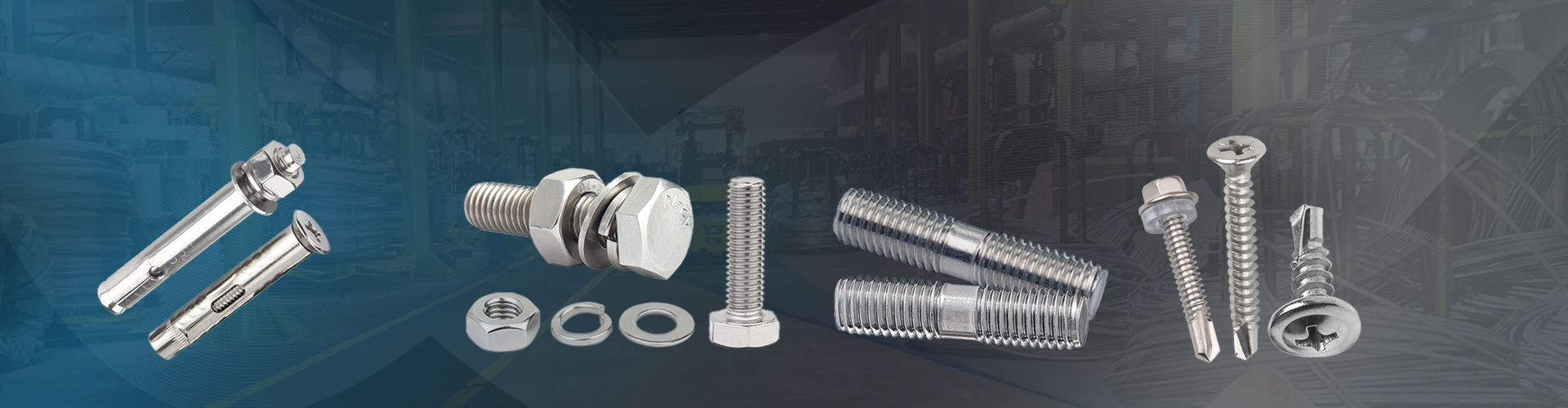




Guide to Repairing Threads on Galvanized Carbon Steel Hexagonal Nuts
If you have ever tried to thread a galvanized hex nut onto a bolt only to find it jams halfway, you know the frustration. Damaged threads on carbon steel hex nuts are a common headache in construction, maintenance, and industrial settings. But before you toss that nut in the scrap bin, here is the good news: in most cases, you can repair it. If you are new to thread repair, you probably have two big questions. First, can I actually fix a damaged hex nut without special tools or expensive equipment? Second, how do I repair the threads without ruining the protective galvanized coating that prevents rust? We will answer both questions in this guide. We will walk you through everything you need to know about repairing threads on carbon steel hex nuts — from identifying the type of damage to choosing the right tools and techniques. We will also cover the unique challenges of working with hot-dip galvanized nuts, including when and how to retap threads without compromising corrosion protection. By the time you finish reading, you will have a clear, practical understanding of how to bring damaged hex nuts back to life.
Understanding the anatomy of a hex nut
Before we dive into repair techniques, let us make sure we are on the same page about what we are working with. A hex nut is a six-sided fastener with internal threads designed to mate with a bolt or screw. Carbon steel hex nuts are the most common type, valued for their strength and affordability. They come in various grades — from standard Grade 5 and Grade 8 to metric classes like 8, 10, and 12 — each with different tensile strength and hardness characteristics.
The threads inside a hex nut are what create the clamping force when tightened onto a bolt. When those threads become damaged — whether from cross-threading, corrosion, or simple wear and tear — the nut loses its ability to grip securely. This is where thread repair becomes essential.

Common types of thread damage on hex nuts
Not all thread damage is the same, and the repair method you choose depends on what you are dealing with. Here are the most common types:
Stripped threads occur when the internal thread grooves have worn down, making it difficult for the nut to grip the bolt. This often happens from repeated use or overtightening.
Cross-threaded threads happen when a bolt is inserted at an angle into the nut, causing the threads to become misaligned and damaged.
Corroded threads result from exposure to moisture and other elements. Rust and white zinc carbonate can build up on the threads, making it difficult to turn the nut.
Coating-clogged threads are a unique problem with hot-dip galvanized hex nuts. The galvanizing process adds a layer of zinc that can fill in thread valleys, making the nuts difficult or impossible to screw onto bolts.
Tools you will need for thread repair
Before you start, gather the right tools. Here is what you will need depending on the severity of the damage:
|
Tool |
Best For |
How It Works |
|---|---|---|
|
Thread file |
Minor damage and burrs |
Cutting edges restore damaged threads by removing imperfections |
|
Hex die nut |
Cleaning and restoring external threads |
Hexagonal shape works with standard wrench; re-cuts original thread form |
|
Tap and die set |
Creating or repairing internal threads |
Taps clean or re-cut internal threads in nuts |
|
Helical insert |
Severely stripped threads |
Provides new inner thread for the bolt to grip |
|
Wire brush |
Removing rust and debris |
Cleans threads before repair |
|
Thread gauge |
Checking thread compatibility |
Ensures nut and bolt threads match |
Step-by-step guide to repairing threads on carbon steel hex nuts
Now let us get into the actual repair process. Follow these steps carefully.
Step 1 — Assess the damage
Before you do anything, take a close look at the hex nut. Is it just minor burrs and surface debris, or are the threads severely stripped or cross-threaded? If the damage is minor — surface scratches, light rust, or small burrs — a thread file or hex die nut may be all you need. If the threads are heavily worn or the nut is cracked, replacement is the safer option.
Step 2 — Clean the nut thoroughly
Clean the carbon steel hex nut to remove dirt, grease, rust, and loose zinc particles. Use a wire brush to remove surface rust and white basic zinc carbonate. If rust has penetrated deep into the thread roots, soak the nut in a specialized rust remover before brushing. For galvanized nuts, be gentle — you want to remove debris without stripping the zinc coating unnecessarily.
Step 3 — Choose your repair method
For minor damage: Use a hex die nut. These carbon steel tools are specifically designed for repairing, cleaning, and restoring damaged external threads. They match the width of standard nuts, so you only need one tool to remove the nut, repair the threads, and put the nut back on. Simply thread the die nut onto the bolt or stud to clean and reform the threads.
For internal thread damage in the nut itself: Use a tap of the correct size. Run the tap through the nut to clean out debris and restore the thread profile. This is especially important for hot-dip galvanized nuts, where the zinc coating can fill in the thread valleys.
For severely stripped threads: Consider using a helical thread insert. Drill out the damaged threads, tap the hole to accept the insert, and screw the insert into place. This provides a brand-new thread surface for the bolt to grip.
Step 4 — Special considerations for galvanized hex nuts
Hot-dip galvanized carbon steel hex nuts present a unique challenge. The galvanizing process adds a layer of zinc that can make nuts oversized and difficult to thread onto bolts. In many cases, nuts are galvanized as blanks and then tapped oversize after galvanizing to accommodate the added thickness.
If you are repairing a galvanized hex nut and find that the threads are clogged with zinc, you have two options:
·Retap the nut with an oversized tap to clear the coating material from the threads.
·Use a thread chaser to clean the threads without removing excessive zinc.
After retapping, the internal threads will be uncoated, but the zinc coating on the mating bolt will provide cathodic protection to both components. For minor damage to the galvanized coating itself — such as surface scratches — you can apply a cold galvanizing compound (zinc-rich paint) to restore corrosion protection. ASTM F2329 provides the standard specification for hot-dip zinc coating on carbon steel fasteners and also covers minor coating repairs.
Step 5 — Test the repair
After completing the repair, test the hex nut on a bolt of the correct size and thread pitch. It should thread on smoothly without binding or excessive play. If it still feels rough, run the tap or die nut through one more time. If the nut spins freely without gripping, the threads may be too far gone — replace it.
When to replace rather than repair
Thread repair is cost-effective and practical, but it is not always the right answer. Replace the carbon steel hex nut if:
·The threads are severely deformed or fractured
·There is large-area peeling of the galvanized coating with deep corrosion of the substrate
·The nut is a critical connection part subjected to high stress
·The nut has been cross-threaded so badly that the thread profile is destroyed
In these cases, replacement with a new nut of the same specification and strength grade is the safer choice.
Contact Us
Not sure which hex nuts are right for your project, or need help sourcing high-quality carbon steel hex nuts? Our team works with leading hex nut factories and carbon steel hex nut manufacturers to supply fasteners for construction, maintenance, and industrial applications. Whether you need DIN 934 hex nuts, GB/T 6170 hex nuts, or metric hex nuts in Grade 8 or Grade 10 high-strength steel, we are here to help. Reach out today for a consultation or a quote tailored to your needs.
FAQ
Q1: Can I use a regular tap to repair threads on a galvanized hex nut?
Yes, but you should use an oversized tap if the nut has been hot-dip galvanized. The galvanizing process adds a layer of zinc that can make the threads tighter. Running a standard tap through the nut may not remove enough material. For best results, use a tap that is slightly oversize to clear the zinc coating from the threads.
Q2: What is the difference between Grade 8 and Grade 10 hex nuts?
Grade 8 hex nuts (metric Class 8) have a tensile strength of approximately 800 MPa and are suitable for common high-strength machinery applications. Grade 10 hex nuts (Class 10) have a tensile strength of 1000 MPa and are suitable for heavy loads and demanding connections. The nut grade should always be the same as or higher than the bolt grade.
Q3: How do I prevent thread damage on carbon steel hex nuts in the future?
Prevention is the best repair. Always start nuts by hand to avoid cross-threading. Use the correct size wrench to prevent rounding the hex corners. For galvanized nuts, consider using a thread lubricant or anti-seize compound during installation. Regularly inspect nuts in harsh environments and treat any early signs of white rust promptly. And always match the nut grade to the bolt grade — using a lower-grade nut on a high-strength bolt invites thread failure.