






Detailed Explanation of Screw Types and Applications
Detailed Explanation of Screw Types and Applications
Screws, as an important type of fastener, are widely used in various fields such as machinery manufacturing, construction, and electronic devices. The combination methods and types of screws directly affect the strength, stability, and lifespan of connections. This article will provide a detailed introduction to the main types of screws and their applications, helping readers better understand the relevant knowledge about screw combinations.
I、Basic Types of Screws
- Self-Tapping Screws
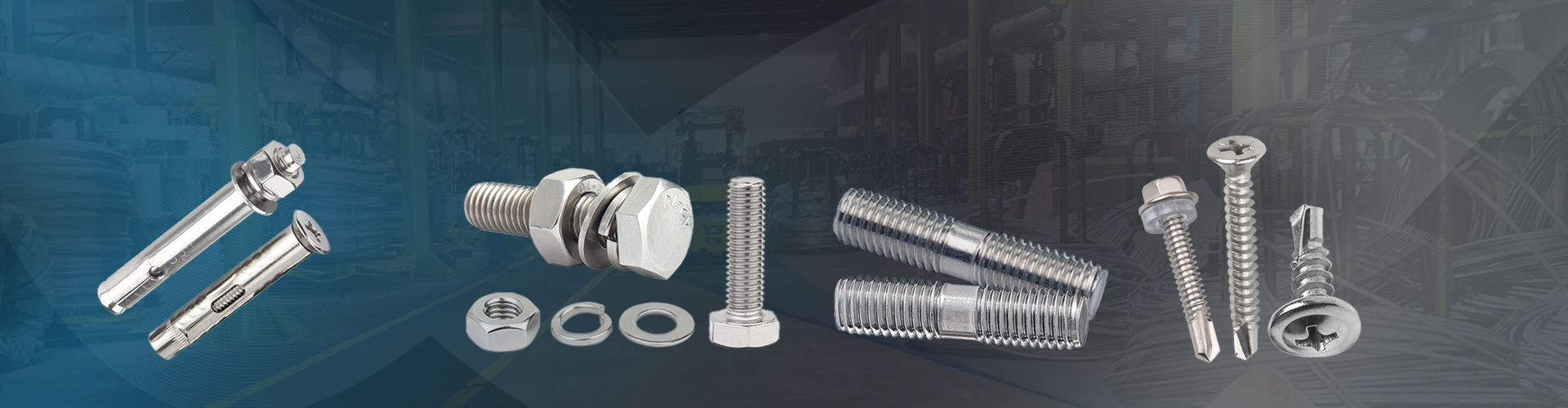
Self-tapping screws have a specially designed thread that allows them to cut into the material during installation, forming a tight bond. These screws are commonly used for connecting wood and plastic, eliminating the need for pre-drilling and improving efficiency.
- Hexagon Screws
Hexagon screws are common mechanical fasteners with a hexagonal head that can be tightened using a wrench. They are primarily used in the connection of machinery and structural components, capable of withstanding significant tensile and torsional forces.
- Screws
Screws typically refer to fasteners without nuts, relying on their threads to interact directly with the joined materials. Depending on different application needs, screws can be classified into machine screws, wood screws, tile screws, etc., which are used for fastening metal, wood, and tiles respectively.
- Machine Screws
Machine screws are generally used in conjunction with nuts and are suitable for connecting metal components. They usually have high strength and are designed to bear significant loads.
- Locking Screws
Locking screws are designed or treated with special materials to prevent loosening due to vibrations or other external forces. These screws are commonly used in industries such as automotive and aerospace, where safety is a high priority.
II、Screw Combination Methods
1.Linear Combination
Linear combination is the simplest screw connection method, typically used to connect two parallel components. It achieves a tight bond through the tensile force of the screw, suitable for applications bearing axial loads.
- Cross Combination
Cross combination refers to the method of connecting multiple components with screws arranged in a crisscross pattern, effectively distributing loads and enhancing the stability of the connection. This method is often used in machinery and frame structures.
- Multi-Point Connection
Multi-point connection uses multiple screws to secure the same component, making it suitable for applications that bear large loads, such as large machinery and building structures. Multi-point connections can improve the overall stability and safety of the system.
III、Applications of Screws
1.Construction Industry
In the construction industry, screws are used to connect steel structures, wooden structures, and concrete structures. Their superior connection performance ensures the safety and stability of buildings.
- Machinery Manufacturing
The machinery manufacturing sector has a significant demand for screws, which are widely used in the assembly and maintenance of machinery. Different types of screws are selected based on the functional requirements of the machinery to ensure performance and safety.
- Electronic Products
In electronic products, screws are used to secure electronic components and casings. With the miniaturization and lightweight trends in electronics, the size and materials of screws are continually updated to meet the growing market demands.
- Automotive Industry
The automotive industry has strict requirements for screws, with locking screws and high-strength screws widely used in various vehicle components to ensure the safety and reliability of vehicles during operation.
IV、Conclusion
As an essential type of fastener, the diversity of screw types and combination methods provides flexible connection solutions for various industries. Understanding the basic types of screws, combination methods, and application fields can help us effectively choose and use screws in practical work, improve work efficiency, and ensure the safety and stability of connections. With technological advancements, the materials and designs of screws will continue to diversify to meet the ever-changing market demands.