






Sturdy Connections: The Applications and Development of Metal Nuts
Sturdy Connections: The Applications and Development of Metal Nuts
In modern engineering and manufacturing, metal nuts play an indispensable role as essential fasteners. From simple home repairs to complex industrial equipment, metal nuts ensure the safety and reliability of various devices and products with their unique structure and excellent performance. This article will explore the basic structure of metal nuts, their main applications, and trends in future development.
- Basic Structure of Metal Nuts
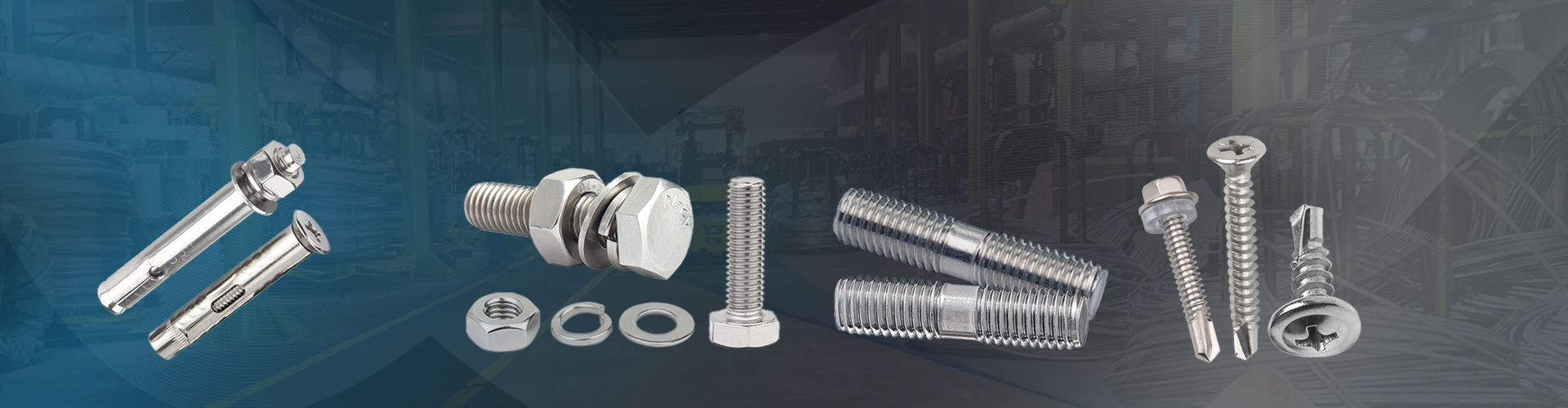
A metal nut is typically a hexagonal block with a threaded hole that can be paired with corresponding bolts or screws. The materials used are generally steel, stainless steel, brass, or other metals, providing good mechanical strength and corrosion resistance. The surface treatment of nuts varies, including galvanization and black oxidation, to enhance durability and aesthetics.
- Main Applications of Metal Nuts
Construction Industry
In construction, metal nuts are widely used for connecting steel structures, ensuring the stability and safety of buildings. Whether in skyscrapers or bridges, the role of nuts is crucial.
Automotive Manufacturing
Metal nuts are used to connect various components of vehicles, such as engines, chassis, and bodies. Their high strength and durability ensure safety and stability while driving.
Machinery
In various machinery, metal nuts are used to secure and connect different parts, ensuring the normal operation of the machinery. For instance, in industrial robots and heavy machinery, the application of nuts makes the equipment more precise and efficient.
Electronic Products
With the advancement of electronic technology, metal nuts are also used in the assembly of various electronic products, providing stable connections and support.
- Development Trends of Metal Nuts
With technological progress and changing industry demands, metal nuts are continuously evolving. The future development trends primarily focus on the following aspects:
Material Innovation
The emergence of lightweight, high-strength materials will further drive the development of metal nuts. For example, the application of new materials such as carbon fiber and titanium alloys will enhance the performance and applicability of nuts.
Intelligentization
With the arrival of Industry 4.0, intelligent nuts are gradually becoming a research hotspot. These nuts can integrate sensors to achieve real-time monitoring and data transmission, improving connection safety and reliability.
Eco-friendly Design
As environmental awareness increases, many manufacturers are focusing on the recyclability and eco-friendliness of metal nuts. Using renewable materials and reducing energy consumption during production will become important directions for future development.
Standardization and Internationalization
With the acceleration of globalization, the standardization and internationalization of metal nuts will become increasingly important. Establishing uniform international standards will promote international trade and technological exchange, enhancing product interchangeability and compatibility.
Conclusion
As a fundamental and important fastener, metal nuts play a significant role across various industries. With technological advancements and continuous industry development, the applications and technology of metal nuts will keep evolving, facing new challenges and opportunities. In the future, metal nuts will not only continue to shine in traditional fields but also showcase their unique value in emerging technologies.