






Common problems of fasteners: How to solve looseness, corrosion, and selection errors?
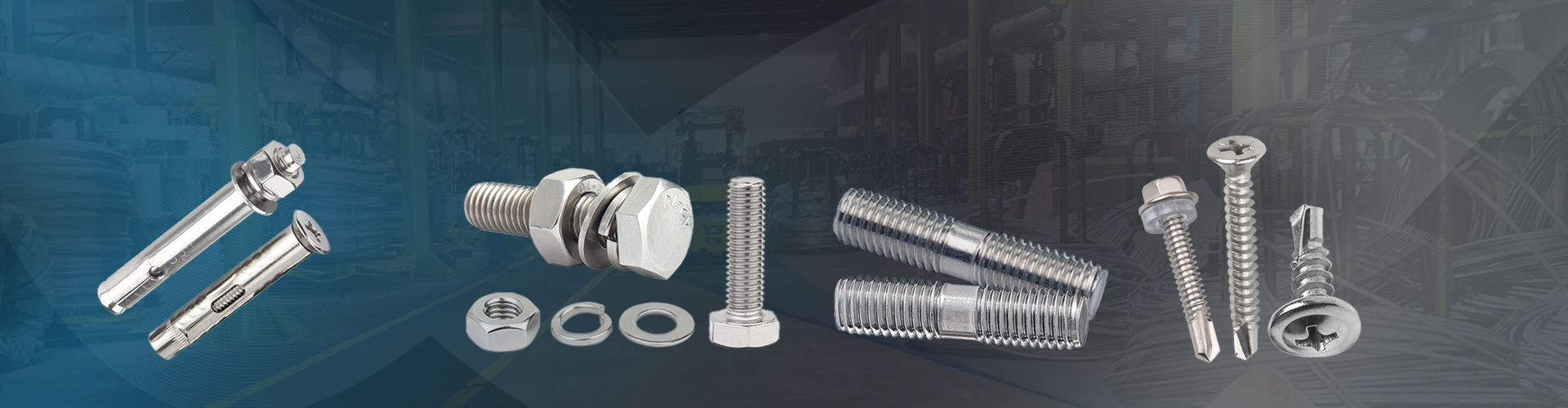
Fasteners are an indispensable part of mechanical structures. They bear the functions of connection and fixing. However, in practical applications, fasteners often encounter some problems, such as looseness, corrosion, and selection errors. This article will answer these common problems for you one by one and provide solutions.
1. Causes and solutions for loose fasteners
1.1 Cause analysis
Loose fasteners are usually caused by the following reasons:
Vibration and shock: The vibration and impact force generated by mechanical equipment during operation will cause the fasteners to gradually loosen.
Temperature changes: drastic changes in temperature will cause the material to expand and contract, causing the fasteners to lose their original tightening force.
Insufficient lubrication: Failure to properly lubricate during tightening will increase friction, which will affect the tightening effect.
1.2 Solution
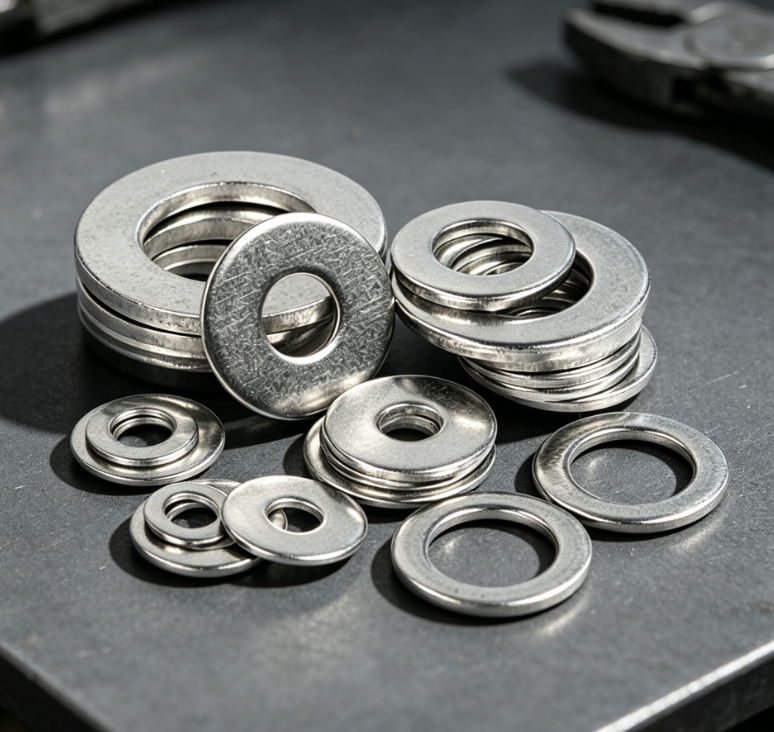
Use anti-loosening technology: Anti-loosening washers, locking nuts and other devices can be used to reduce the possibility of loosening.
Regular inspection: Develop a maintenance plan, regularly check the status of fasteners, and promptly detect and deal with looseness.
Reasonable material selection: Select suitable fastener materials according to the actual working environment to ensure its stability and reliability under working conditions.
2. Causes and protective measures of fastener corrosion
2.1 Cause analysis
Fastener corrosion is mainly caused by the following factors:
Environmental impact: Harsh environments such as humidity, salt spray, acid and alkali will accelerate metal corrosion.
Improper material selection: The use of inappropriate materials, especially in corrosive environments, can easily lead to rapid degradation of fasteners.
2.2 Protective measures
Material selection: In highly corrosive environments, corrosion-resistant materials such as stainless steel and alloys are selected as fasteners.
Surface treatment: Galvanize, paint or other anti-corrosion treatments are performed on fasteners to improve their corrosion resistance.
Environmental control: Try to control the working environment to reduce contact with moisture and corrosive substances.
3. Misunderstandings in fastener selection and correction methods
3.1 Misunderstanding analysis
In the process of fastener selection, common misunderstandings include:
Ignoring load requirements: Failure to fully consider the load that the fastener needs to bear leads to improper selection.
Only look at the price: Too much attention to price and neglect of materials and performance may lead to short service life or functional failure.
Not considering the working environment: Not considering the temperature, humidity and chemical environment of the fastener, resulting in material inadaptability.
3.2 Correction method
Clear use requirements: Before selecting, carefully analyze the load-bearing capacity, working environment and other factors of the fastener.
Comprehensively consider the cost-effectiveness: When choosing, not only pay attention to the price, but also comprehensively evaluate the material performance, service life and maintenance cost.
Consult professionals: When encountering uncertain situations, consult engineers or professional suppliers in time to obtain reasonable suggestions and solutions.
Fasteners play a vital role in machinery and structures. Understanding and solving common problems such as looseness, corrosion and selection errors will help improve the stability and safety of machinery. I hope that the answers in this article can provide you with reference and guidance when using fasteners, so that your equipment can run more smoothly.
