






Ice Maker Screws: A Complete Guide to Types, Installation, and Maintenance for Optimal Performance
Introduction
If you’ve ever had an ice maker that rattles loudly, fails to produce consistent ice cubes, or even starts to detach from your refrigerator or commercial unit, the culprit might be something as small yet critical as ice maker screws. These unsung fasteners are the backbone of any ice maker assembly, holding together components like the evaporator plate, motor mount, ice bin, and water line connections—all while enduring constant exposure to low temperatures, moisture, and mechanical vibration. Overlooking their condition can lead to costly repairs, food safety risks (from water leaks or contaminated ice), and unnecessary downtime, especially for businesses relying on commercial ice machines.
This comprehensive guide is designed to demystify ice maker screws for both DIY enthusiasts and professional technicians. We’ll cover everything from the different types and materials of screws tailored to ice-making environments, to the industry standards that ensure their reliability, a step-by-step installation guide, troubleshooting common issues like loose threads or corrosion, and proactive maintenance tips to extend their lifespan. Whether you’re replacing a single stripped screw in your home fridge or overhauling the fasteners in a restaurant-grade ice machine, this article will equip you with the knowledge to make informed decisions and keep your ice maker operating at peak performance.
Key Takeaways
1.Ice maker screws are specialized fasteners engineered to withstand low temperatures, moisture, and vibration in ice-making equipment.
2.Common types include machine screws (for metal-to-metal connections), self-tapping screws (for plastic components), and mounting screws (for securing the ice maker to its base).
3.Materials like 304/316 stainless steel are preferred for their corrosion resistance, while coated carbon steel offers a cost-effective alternative for residential use.
4.Adhering to standards like ASTM F788 (surface discontinuities) and ISO 898 (mechanical properties) ensures ice maker screws meet safety and performance criteria.
5.Proper installation (including torque control) and regular maintenance (monthly inspections, annual lubrication) prevent 80% of common ice maker screw-related issues.
What Are Ice Maker Screws?
Ice maker screws are not your average hardware store fasteners—they’re precision-engineered to perform in one of the harshest household or commercial environments: constant cycles of freezing cold and melting moisture, paired with ongoing mechanical vibration from motors and ice ejection mechanisms. Unlike general-purpose screws that may rust or loosen within months in these conditions, ice maker screws are designed to maintain their holding power and structural integrity over years of use.
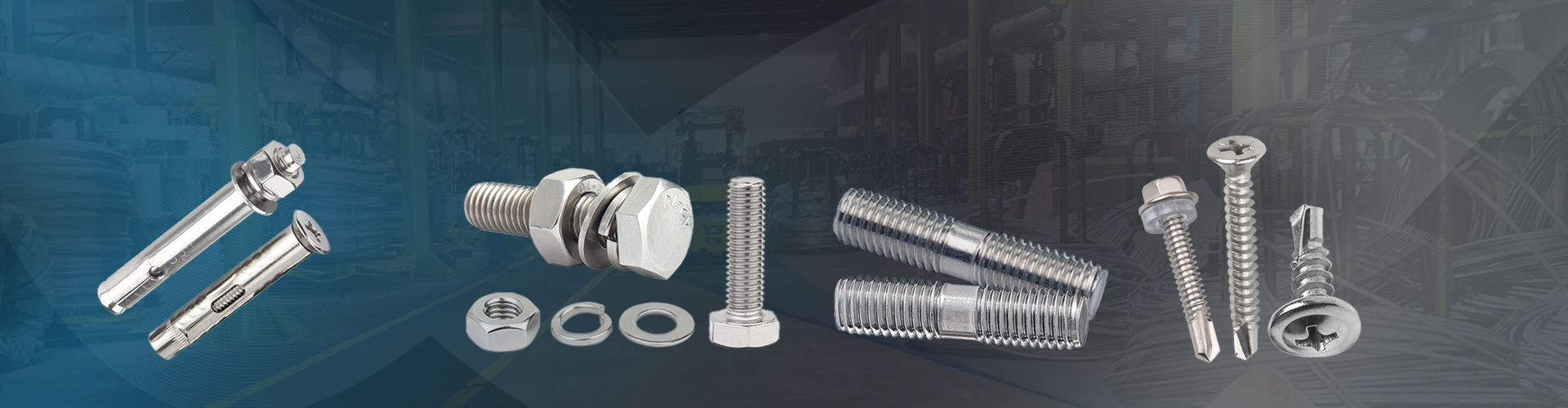
The most common types of ice maker screws are tailored to specific components and materials:Machine screws are the workhorses of metal-to-metal connections, such as securing the evaporator plate where ice forms to the ice maker’s frame or mounting the motor that drives the ice ejector arm. With uniform threads along their entire length and head styles ranging from Phillips to hex for easier torque control, they provide a tight, stable hold even under repeated vibration. Standard specifications include #10 x 5/8 inch size in 304 stainless steel and M5 x 13mm metric size in 410 stainless steel, widely adopted for commercial ice machine frames.
Self-tapping screws are ideal for attaching components to plastic parts like the ice bin or control panel housing. These screws feature sharp, aggressive threads that cut their own mating threads as they’re driven in, eliminating the need for pre-drilled tapped holes and reducing the risk of cracking delicate plastic parts. The most popular specification is #8 x 1/2 inch with zinc-coated carbon steel material, perfect for light-duty residential ice maker assembly.
Mounting screws are longer, heavy-duty fasteners used to secure the entire ice maker assembly to the refrigerator wall or commercial unit’s interior. They must support the full weight of the ice maker and stored ice, with 1/4 inch x 1 inch 316 stainless steel being the mainstream choice for its superior structural strength and corrosion resistance.
When it comes to material selection, 304 stainless steel is the most common option for household ice makers with reliable general corrosion resistance. 316 stainless steel contains added molybdenum, delivering stronger resistance to chloride corrosion, suitable for coastal areas and commercial kitchen environments. Zinc or nickel coated carbon steel serves as a budget-friendly choice for light residential scenarios, though it cannot match the long-term durability of stainless steel in high-moisture conditions. Choosing the right type and material of ice maker screw is critical—using a general-purpose screw in an ice maker can lead to premature failure, costing you time and money in repairs.
Critical Standards for Ice Maker Screws
To ensure ice maker screws meet the strict performance and safety requirements of ice-making equipment, they must adhere to internationally recognized standards. These standards define everything from material composition and mechanical properties to dimensional tolerances and surface quality, ensuring that screws from different manufacturers are interchangeable and reliable.
The most relevant standards for ice maker screws include ASTM F788-20, which sets allowable limits for surface discontinuities like cracks, burrs, or uneven threads in bolts and screws used in ice makers. ISO 898 specifies mechanical properties such as tensile strength and hardness for fasteners, classifying different property classes to match various load-bearing demands. ANSI/ASME B18.6.3 regulates dimensional parameters of American standard machine screws, guaranteeing replacement screws fit perfectly into original mounting holes. ASTM A193 provides material specification standards for stainless steel fasteners, while ASTM F2432-24 links fastener requirements to commercial ice machine food safety regulations, ensuring food-grade materials will not contaminate ice. These standards are developed by industry engineering committees, and compliance is essential for commercial equipment to pass health and safety inspections. When selecting ice maker screws, always prioritize products that conform to these authoritative standards.
Step-by-Step Installation Guide for Ice Maker Screws
Installing ice maker screws correctly is just as important as choosing the right type—even a high-quality screw will fail if it’s not installed properly. Whether you’re installing a new ice maker or replacing old screws, follow professional installation steps to ensure a secure, long-lasting hold. You need to prepare matched screwdriver, drill, torque wrench, lock washers and food-grade anti-seize compound before operation.
Start by unplugging the refrigerator or ice maker to avoid electrical risks, then remove old screws and record their installation positions for accurate reassembly. Inspect mounting surfaces for corrosion and damaged screw holes; repair stripped holes with thread repair kits and clean corroded surfaces thoroughly before installation. Align the ice maker precisely with reserved mounting holes to avoid structural stress caused by misalignment. Insert screws one by one and hand-tighten slightly first to fix the position, then use a torque wrench to tighten to standard torque: 8–12 inch-pounds for residential models and 15–20 inch-pounds for commercial equipment. Install lock washers on screws at motor mounting and high-vibration positions to effectively prevent loosening caused by long-term operation. Following these standardized steps can maximize the service life and stability of ice maker screws.
Troubleshooting Common Ice Maker Screw Issues
Even with proper installation, ice maker screws can develop issues over time due to constant use and harsh environmental conditions. Loose screws are the most frequent problem, triggered by motor vibration, thermal expansion and contraction, or insufficient tightening. You will notice obvious rattling noise and component misalignment; you can retighten screws following torque standards and add lock washers or thread-locking compound for recurring loosening problems.
Stripped threads usually result from over-tightening or repeated disassembly of plastic parts, making screws unable to lock firmly. For plastic stripped holes, adopt one size larger self-tapping screws to re-cut threads; for metal damaged holes, use helical thread repair inserts to restore original specification. Corrosion is another common fault caused by long-term moisture and salt erosion, leading to screw rusting and fracture. Replace corroded fasteners with 316 stainless steel ice maker screws, and clean and anti-rust treat corroded mounting surfaces simultaneously. In addition, using mismatched screw types such as wood screws instead of special fasteners will also cause installation failure; always select matched screw type and material according to equipment specifications.
Maintenance Tips to Extend Ice Maker Screw Lifespan
Proactive maintenance is the best way to keep ice maker screws in good condition and avoid costly repairs. Conduct monthly visual inspection for residential ice makers and weekly inspection for commercial 24-hour operating units, checking all exposed and hidden screws for looseness, rust and damage. Clean screw surfaces annually with mild detergent and soft brushes to remove limescale and food residue, avoiding harsh abrasive cleaners that damage stainless steel protective layers. Apply food-safe silicone lubricant to screw threads every year to reduce friction and prevent stainless steel thread seizing. Proactively replace aging ice maker screws every 2–3 years for household use and every 1–2 years for commercial use, effectively avoiding unexpected equipment downtime and repair costs.
FAQ
1.What types of screws are used in ice makers?The most common types are machine screws (for metal-to-metal connections), self-tapping screws (for plastic components), and mounting screws (for securing the ice maker to its base). The exact type depends on the component and equipment manufacturer.
2.How often should I inspect my ice maker screws?For residential ice makers, inspect screws monthly for signs of looseness or corrosion. For commercial ice makers which experience heavier use, inspect screws weekly to catch issues early and prevent downtime.
3.What causes ice maker screws to loosen?Loose screws are primarily caused by constant vibration from the ice maker motor, temperature-induced expansion and contraction of materials, or insufficient pre-tightening during installation. Using lock washers or thread-locking compound can help prevent this issue.
4.Can I use any screw for my ice maker?No—ice maker screws are specialized to withstand low temperatures and moisture. Using general-purpose screws like wood or drywall screws can lead to corrosion, stripped threads, or ice maker failure. Always use screws that meet the manufacturer’s specifications and industry standards.
5.Where can I get high-quality ice maker screws?
We offer standard and custom ice maker screws in multiple materials and sizes for both residential and commercial ice machine applications. If you need reliable fastener solutions or tailored specifications, feel free to contact us for a quote and professional technical support anytime.