






Application and advantages of hot-dip galvanized hexagonal bolts in construction projects
In modern construction projects, the selection of connectors is crucial. As a common connector, hexagonal bolts are widely used due to their excellent mechanical properties and wide applicability. Among them, hot-dip galvanized hexagonal bolts are increasingly favored in construction projects due to their unique anti-corrosion characteristics and strength advantages. This article will explore the application of hot-dip galvanized hexagonal bolts and their advantages in construction projects.
1. Definition and characteristics of hot-dip galvanized hexagonal bolts
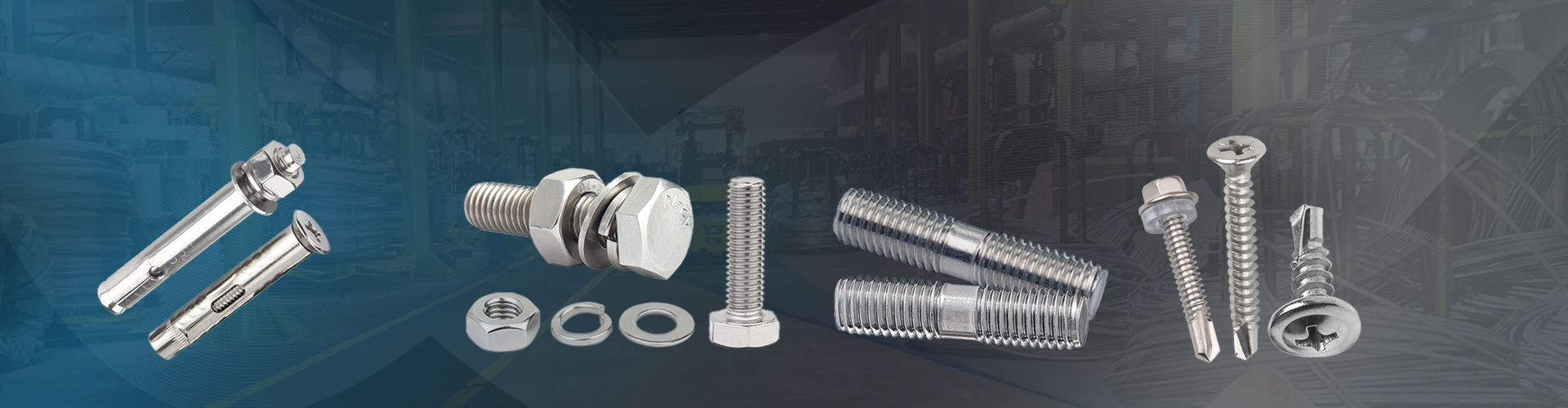
Hot-dip galvanized hexagonal bolts refer to hexagonal bolts that are covered with a layer of zinc on the surface through a hot-dip galvanizing process to improve their corrosion resistance. This type of bolt is usually made of high-strength steel and can provide better mechanical properties after heat treatment.
2. Application of hot-dip galvanized hexagonal bolts in construction projects
2.1. Structural connection: Hot-dip galvanized hexagonal bolts play an important connecting role in steel structures, concrete structures and other buildings to ensure the stability and safety of the overall structure.
2.2. Anti-corrosion requirements: In a humid or chemically corrosive environment, the hot-dip galvanizing layer can effectively prevent the bolts from rusting and extend their service life.
2.3. Easy to install: The hexagonal design makes the bolts easy to install and remove with a wrench, which improves construction efficiency.
2.4. Load bearing capacity: Hot-dip galvanized hexagonal bolts have good tensile and shear resistance and are suitable for bearing large loads.
3. Advantages of hot-dip galvanized hexagonal bolts
3.1. Excellent corrosion resistance: The hot-dip galvanizing process gives the bolts excellent rust resistance, which is particularly suitable for construction projects in outdoor and marine climates.
3.2. Economical: Although hot-dip galvanizing treatment increases initial costs, its long-term durability and reduced maintenance costs make it more economically advantageous.
3.3. Environmentally friendly: The zinc material used in the hot-dip galvanizing process is non-toxic and recyclable, which meets modern environmental protection requirements.
3.4. High strength: The combination of high-strength steel and hot-dip galvanizing ensures the performance of the bolts under various extreme conditions.
3.5. Wide range of applications: Hot-dip galvanized hexagonal bolts are not only suitable for construction projects, but also widely used in bridges, mechanical equipment and other fields.
Conclusion
Hot-dip galvanized hexagonal bolts play an indispensable role in construction projects with their excellent corrosion resistance and excellent mechanical properties. As the construction industry's requirements for material performance continue to increase, hot-dip galvanized hexagonal bolts will continue to play an important role in future engineering projects.