






Advantages and Applications of Brass Nuts and Bolts
In modern industry and manufacturing, the choice of fasteners is crucial for the performance and durability of products. Brass nuts and bolts, as common connecting components, have become indispensable parts in many industries due to their unique physical and chemical properties. This article will delve into the advantages of brass nuts and bolts and their main application fields.
- Definition of Brass Nuts and Bolts
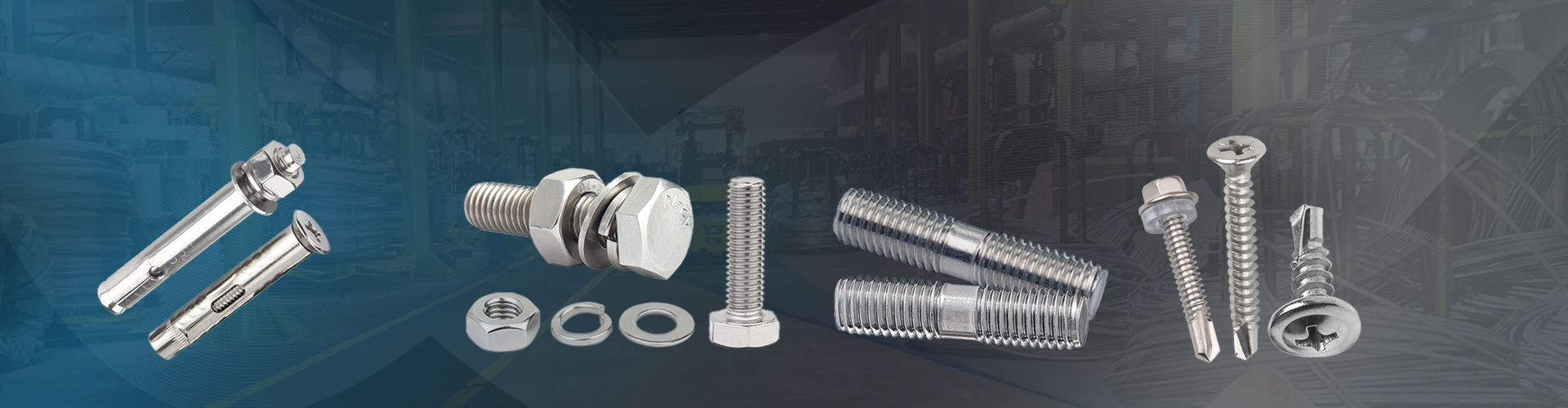
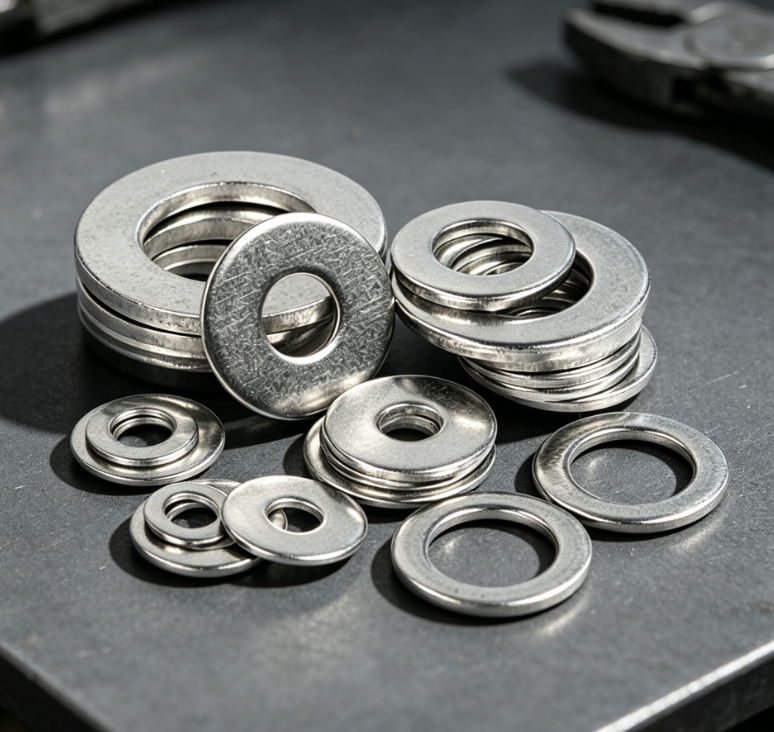
Brass nuts and bolts are fasteners made from brass material. Brass is a metal alloy composed of copper and zinc, known for its excellent mechanical properties and corrosion resistance. Nuts are typically used in conjunction with bolts to achieve fastening and connection. Brass nuts and bolts are widely used in various machinery, construction structures, and household items.
- Advantages of Brass Nuts and Bolts
Corrosion Resistance
Brass has outstanding corrosion resistance, allowing it to maintain stable performance in humid or chemically corrosive environments. This makes brass nuts and bolts suitable for a variety of harsh environments, especially in plumbing, marine equipment, and the chemical industry.
Excellent Mechanical Properties
The strength and toughness of brass enable its nuts and bolts to withstand substantial loads while maintaining good performance in both high and low temperature conditions. This characteristic is particularly important for applications that experience repeated loading.
Good Machinability
Brass is easy to machine and shape, allowing for the manufacturing of complex-shaped nuts and bolts through various processes such as cutting, stamping, and milling. This provides greater flexibility in the design and production of brass nuts and bolts.
Non-Magnetic
Brass is a non-magnetic material, making brass nuts and bolts suitable for applications in electronic devices and medical equipment without interfering with magnetic fields, ensuring the proper operation of the devices.
Aesthetic Appeal
Brass has a unique golden luster, making it popular for use in products that require an attractive appearance, such as home decor, furniture, and high-end electronic devices.
- Application Fields of Brass Nuts and Bolts
Machinery Manufacturing
In the machinery manufacturing industry, brass nuts and bolts are commonly used to connect various mechanical components, such as drive systems, engines, and pumps. Their high strength and durability ensure the safety and reliability of machinery.
Construction Industry
In the construction industry, brass nuts and bolts are used to secure building structures, such as wooden frameworks and metal frames. Due to their corrosion resistance, brass fasteners are especially suitable for outdoor and humid environment construction projects.
Electronic Devices
In electronic devices, brass nuts and bolts are used to secure circuit boards and other components. Their non-magnetic properties help avoid interference with electronic equipment.
Automotive Industry
In automotive manufacturing, brass nuts and bolts are used to connect critical components such as engines, transmissions, and chassis. Their corrosion resistance and strength ensure the safety of vehicles under various driving conditions.
Plumbing and Piping Systems
Due to brass’s corrosion resistance and good sealing properties, brass nuts and bolts are commonly used in the connections of plumbing and piping systems, ensuring smooth water flow and preventing leaks.
- Conclusion
Brass nuts and bolts are widely used in many industries due to their excellent physical and chemical properties. They not only have excellent corrosion resistance and strength, but also can maintain good performance in harsh environments. With the development of industry, the demand for high-strength connection solutions continues to increase, and brass nuts and bolts are undoubtedly an important choice to meet this demand.