






Anti-loosening screws vs. ordinary screws: How to reduce equipment maintenance downtime?
In equipment maintenance, the choice of screws is crucial to improving work efficiency and reducing downtime. Anti-loosening screws and ordinary screws have their own characteristics. Understanding their differences can help companies reduce maintenance costs more effectively during equipment operation.
1. What are anti-loosening screws?
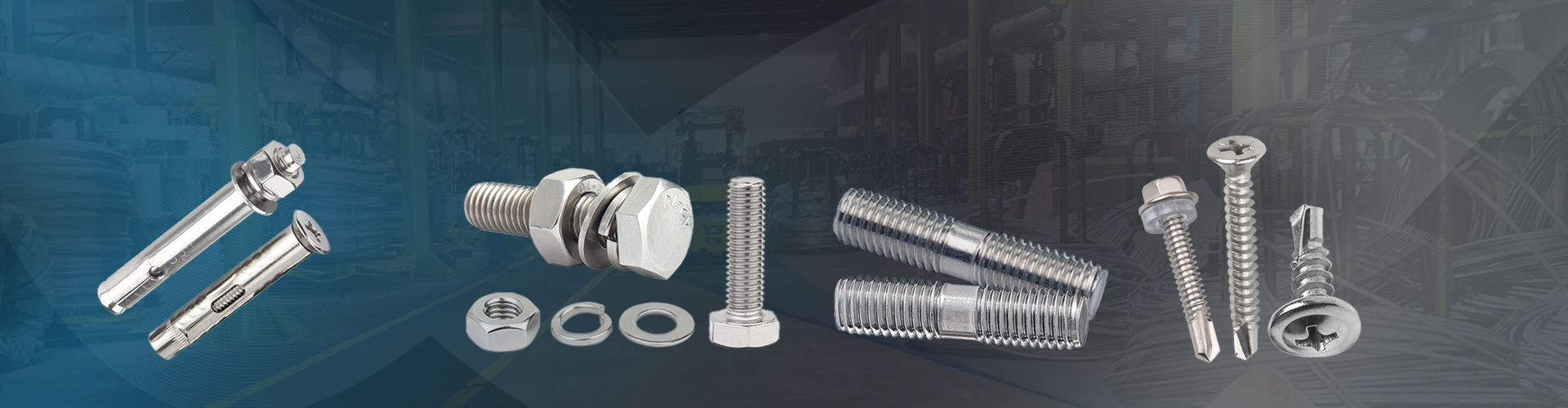
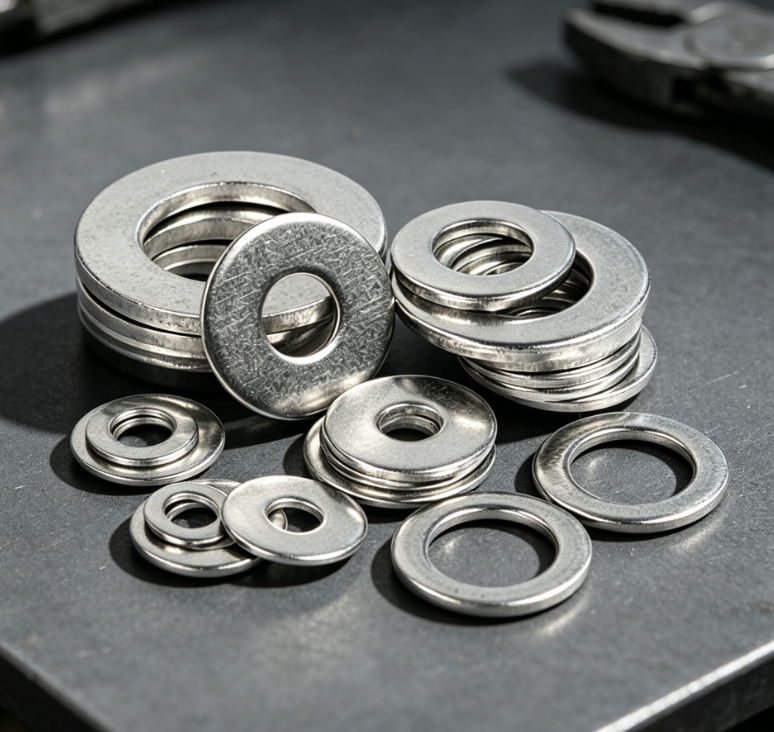
Anti-loosening screws are fasteners specially designed to prevent screws from loosening under vibration, impact or other stress conditions. They usually use special structures or materials, such as nylon locking washers, toothed locking nuts or special thread designs, which can form additional friction after the screws are tightened, thereby maintaining the stability of the screws.
2. Characteristics of ordinary screws
Ordinary screws are common fasteners, usually made of steel, aluminum or other metal materials. Their design is relatively simple and suitable for static load applications. However, in environments with high vibration or frequent operation, ordinary screws are prone to loosening due to vibration or stress, thereby increasing the frequency and downtime of maintenance.
3. Ways to reduce equipment maintenance downtime
1. Choose the right type of screws
When selecting screws, you should choose according to the operating conditions of the equipment. For high-vibration environments, anti-loosening screws are preferred, which can significantly reduce the risk of screw loosening. In relatively static equipment, ordinary screws may be sufficient to meet the needs.
2. Regular inspection and maintenance
Although anti-loosening screws are designed to better prevent loosening, regular inspection and maintenance are still indispensable. Using an appropriate preventive maintenance plan, including regular inspection of the tightness of all screws, can help detect problems as early as possible.
3. Use lubricants
In some cases, the use of appropriate lubricants can reduce friction and reduce the possibility of screw loosening. However, the right lubricant must be selected so as not to affect the anti-loosening performance.
4. Conclusion
Anti-loosening screws have obvious advantages over ordinary screws in reducing equipment maintenance downtime. Choosing suitable screws can not only improve the operating stability of the equipment, reduce the failure rate, but also reduce long-term maintenance costs. Enterprises should make reasonable choices of screw types according to actual needs to ensure the long-term and stable operation of the equipment.
